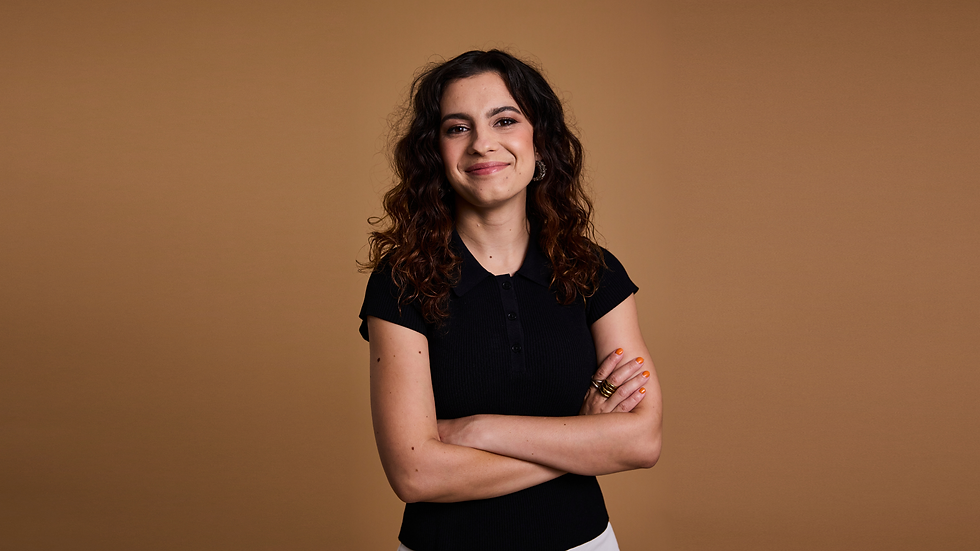
Five Questions with Emma Macdonald OAM
Q1. What’s been the smartest move you’ve made in your career?
To move out of mainstream media after 23 years and jump head-first into an independent online media company, HerCanberra. I have learned many new skills, found my people and contributed to my community while watching HerCanberra grow enormously. Of course, my political journalism career brought many privileges and highs — truly, the adrenaline rush of a front-page scoop and hearing my work being bandied about the corridors of power is hard to beat — but I forced myself to take a risk and have not looked back. The founder of HerCanberra, Amanda Whitley, works tirelessly. Establishing an independent media company is not something you take on lightly, much less the relentless work of keeping it operating 365 days a year. But I am heartened to see so many new and independent media outlets being created around the country. I don’t think it detracts from the always-important work of legacy media, but adds new dimensions to news and views. For instance, Hannah Ferguson’s Cheek Media has engaged an entire new generation of young current affairs consumers, while attracting a swag of retirees at the same time! Of course, I still love the long reads, major investigations and the authoritative voices of major mastheads but I am all for greater diversity of opinions, analysis and reporting. The more informed we are about our community, country and world, the more chance we have of steering the right course at the ballot box — a concept I need to have faith in right about now…
Q2. What skills have helped you most along the way?
Curiosity and compassion. As a journalist, I have always tried to amplify marginalised voices. Sharing the experiences of individuals and communities who are suffering from any sort of discrimination or harm ignites something in me. I love the kindness of HerCanberra. It is a lifestyle media company that steers clear of politics, but I have plenty of freedom to highlight interesting and important stories in my community. And as I have discovered after more than three decades in the industry, absolutely everyone has a story.
Q3. What’s the best advice you’ve received?
It’s advice I gave myself at my 40th birthday. I decided to have a year where I would say “yes” to every opportunity rather than give in to nerves or imposter syndrome and politely decline. There were so many things I felt too scared to do, and then I would be filled with regret that those opportunities might dry up. My default when I turned 40 was to accept any invitation to be part of anything, particularly in the area of public speaking — absolutely bloody terrifying for a newspaper journalist, I can assure you. The trick was to accept without thinking about it. Of course, I was petrified, but my confidence grew, as did my profile. Now I can say that I truly enjoy MCing events, hosting podcasts, being interviewed and presenting live National Press Club events. I still love writing, but conversing with people in front of an audience brings an authenticity and immediacy that I love.
Q4. If you had your time over, what would you do differently?
I would not have worked myself to the bone for some of the editors who thought it was OK to push me beyond my limits. I am glad to see a healthier approach to work-life balance in the industry, because back in the ’90s it was pretty wild. Some of the demands and deadlines I endured nearly wrecked me physically. I battled RSI from the sheer number of words I was required to pump out, and went without meals and sleep as a matter of course. When I had children, the pressures of the Press Gallery were even more difficult to navigate. I regret every rostered day off when I would answer work calls, take interviews and pump out a story just because it was my round or something big happened. The thing is, the news cycle was, and continues to be, insatiable. While I don’t remember what those stories were, I do remember my kids missing out on my time, patience and energy. Their disappointment when I reached for my phone showed on their tiny faces, and the guilt I carry is enormous. I remain quite angry with myself over how many of those precious years with small children I prioritised breaking news. I always tell younger journalists to create healthy — or, in fact, any — boundaries. Their editors aren’t going to be by their bedside when they take their last breath; their children, partners and friends will. I recognise it is harder to push back and be assertive when you are younger, but I really wish I had been.
Q5. What do you think the media sector will look like in ten years?
On a good day, I like to think the media landscape will diversify into strong, ethical, independent media companies living in healthy competition with the big fish, with all players drawing sustenance from readers who value their democracies and place a high priority on being informed. On a bad day, I see further concentration, manipulation, the potential for corruption and the collapse of many of the checks and balances we take for granted. My biggest fear is the erosion of trust in media through the unregulated use of AI. I am already seeing it take over. It is hard not to look around the world right now and wonder what dystopian landscape we are traversing. I think most journalists are concerned.
About Emma
Emma Macdonald OAM is an award-winning journalist and maternal health campaigner who was awarded a Medal of the Order of Australia in the Queen's Birthday Honours of 2022 for "Services to Journalism and to Women".
She spent 23 years on the front line of daily newspaper journalism before moving to the “new media” of online platform HerCanberra in 2016, where she is Associate Editor.
Emma began her journalistic career with The Australian Financial Review before moving to The Canberra Times, where she spent 13 years covering federal politics from the Press Gallery, rising to become Bureau Chief. Emma has won numerous awards for her work. These include two Walkley Awards (1993, 2003) and selection as a national Walkley finalist (2001). She was awarded the John Douglas British Prize for Journalism in 1998, and in 2002 was awarded a Vincent Fairfax Ethics in Leadership Fellowship. She was highly commended for her political journalism through the Paul Lyneham Press Gallery Journalism Award in 2002 and was recognised as a University of Canberra Distinguished Alumni in 2011. She has been published widely, from The Times (UK) to The Business Standard (India), to Cosmopolitan Magazine.
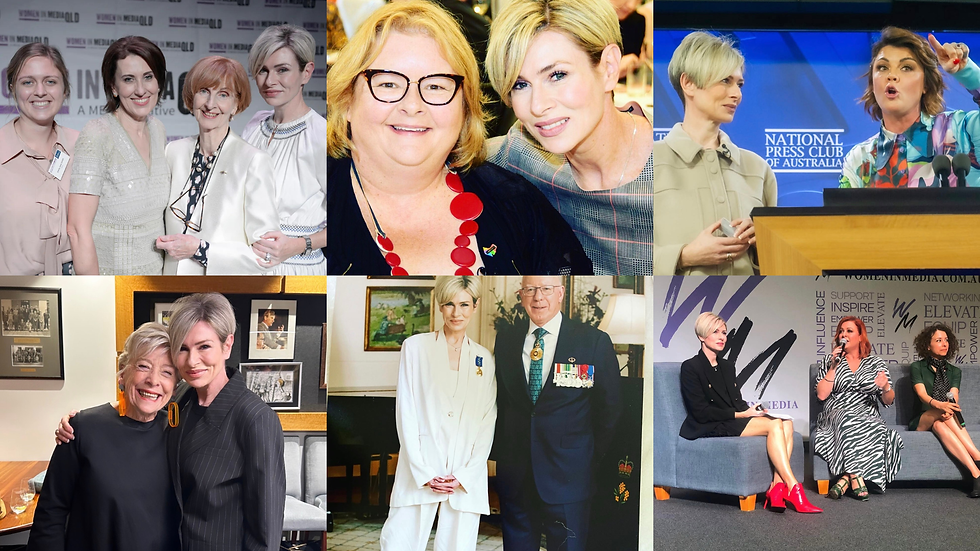
She is dedicated to promoting women in media, becoming Convener of Women in Media Canberra in 2015 and being appointed to the National Women in Media Board in 2026. In this role, Emma hosts regular live broadcast National Press Club addresses and founded the Caroline Jones Women in Media Young Journalists Award, which is now in its tenth year. She provides high-level advice on strategies to amplify and empower women working across the country’s media and communications landscape.
Emma has also been a Walkley Award judge across various categories and has mentored a series of journalists throughout her career. She was appointed to the board of The Canberra Youth Theatre in 2024, which aligns with her mission to elevate the voices of young people and celebrate the arts.
A mother of two, Emma co-founded the maternal health charity Send Hope Not Flowers in 2010, shortly after the birth of her now 16-year-old daughter. She won an ACT Telstra Business Woman of the Year Award for Send Hope’s work in 2016 and has raised more than one million dollars, which has been spent on safe birth programs and maternal health training across ten developing countries.