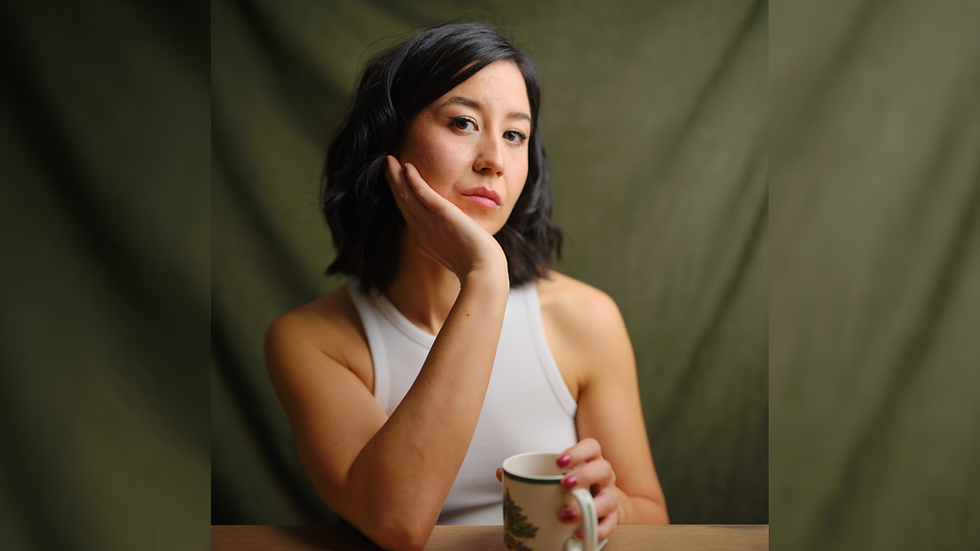
Five Questions with Nikyah Hutchings
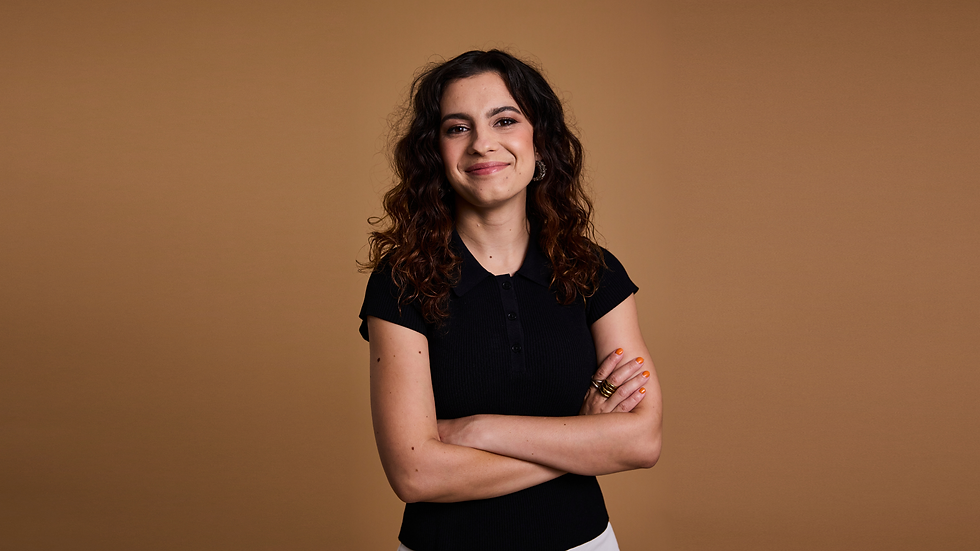
Nikyah Hutchings is a First Nations creative, producer and host working across media, advertising and fashion. She leads commercial and sponsored content at National Indigenous Television (NITV), building a First Nations‑led content engine that connects brands with mob‑first stories and audiences. Through BlakList Agency, Nikyah appears both on screen and behind the scenes, shaping campaigns and cultural moments that put Blak creatives at the centre. She is also an Ambassador for Epilepsy Action Australia, using her lived experience to spark more open, honest conversations about disability and chronic illness in the media.
Q1. What’s the best part of your job?
As a multidisciplinary creative, the best part of my job is getting to hold many different spaces in the media landscape at once. I get to produce and lead content as Executive Producer, Commercial & Sponsored Content at NITV, be on screen as talent with Blaklist Agency, and speak openly about epilepsy as an Ambassador for Epilepsy Action Australia. The through-line is reaching and supporting communities who are often left out of the mainstream narrative, and doing it in ways that feel fun, creative and genuinely engaging.
Q2. What skills have helped you most along the way?
The skills that have helped me most are mediation, code‑switching and cultural awareness. I spend a lot of time in the middle — between community, clients and broadcasters, trying to make sure nothing gets lost in translation. Being able to read a room, say the same thing in different ways, and check that people feel respected has been key. When that’s in place, relationships are stronger and the work can go further.
Q3. What’s the best advice you’ve received?
My parents have always said, 'everyone is just a person,' and that line has shaped my whole career. When I remember that, I’m less afraid to talk to an executive, put my hand up for a job or ask for something I want, because that CEO or media leader is still just a person with their own stuff going on. It takes some of the power out of the room and makes it feel like a conversation between people, not 'important person' and 'everyone else'. Focusing on that has made it much easier to back myself and walk into rooms I once thought weren’t for me.
Q4. What changes have you seen for women of colour in Australian media?
When I think about change for women of colour in Australian media, I think about the women who went first. Aunty Rhoda Roberts AO was one of the first Aboriginal women to front a prime‑time current affairs program, at a time when seeing a Blak woman leading those kinds of conversations on TV was almost unheard of. Now we have leaders with a say over how Indigenous stories are told across whole networks. There’s still a lot of work to do, but it feels different to even a few years ago, more women of colour are not just on screen, they’re making the calls behind the scenes and bringing their lived experience into spaces that didn’t used to leave the door open.
Q5. What do you think the media industry will look like in 10 years?
If we keep heading the way we are, I think the media and advertising industry will finally start to look more like the communities it talks to. First Nations and multicultural people won’t just be brought in to tick a box, our stories and our people will be part of the everyday, across newsrooms, agencies and brands. To me, that looks like more content made by us, not just about us, and more decisions being made by people who actually understand the communities on the other side of the screen.